
Horm Stories #43
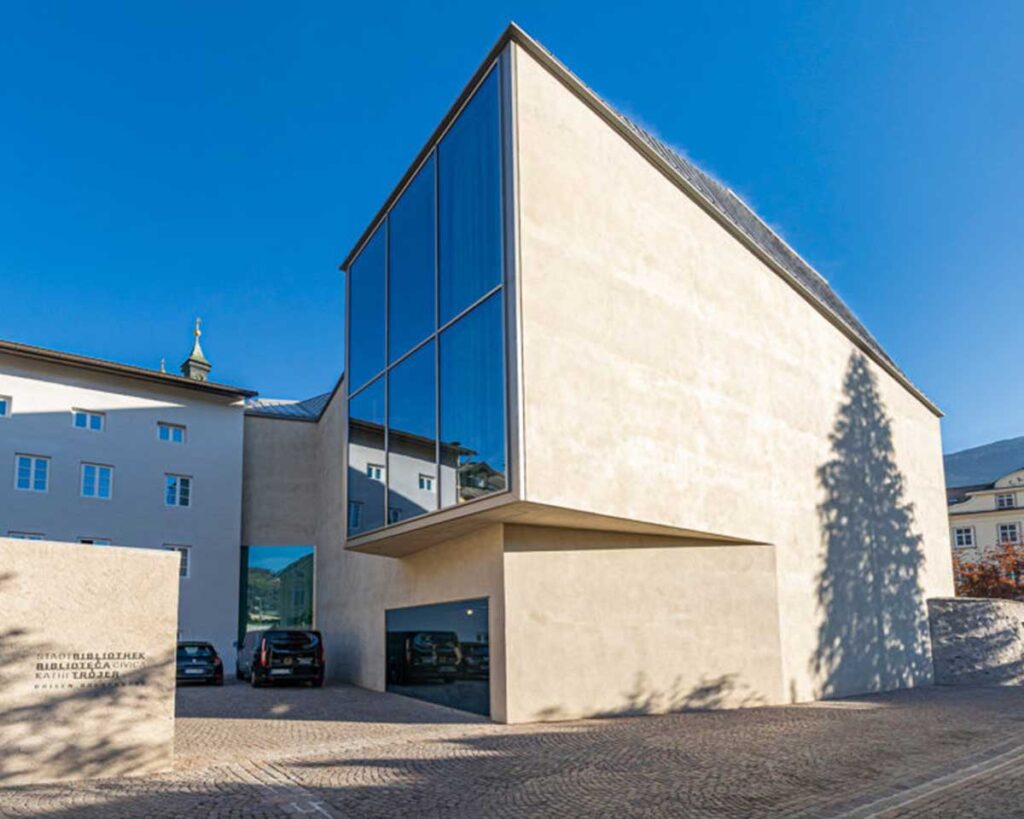
Today, we want to tell you about the Bressanone Civic Library, an extraordinary example of how contemporary architecture can respectfully integrate with historical heritage, creating innovative and functional cultural spaces. Located in the heart of the ancient episcopal city, the library is the result of an urban redevelopment project that involved both historic buildings and new constructions, transforming it into a key cultural landmark for the community.
The project, designed by the Carlana Mezzalira Pentimalli studio, is based on an innovative concept: the new building acts as a “graft” that connects and unites the existing structures, much like a tree whose roots sink into the past while its branches reach toward the future. This analogy translates into a structure that “embraces” the historic buildings, creating a continuous dialogue between the old and the new.
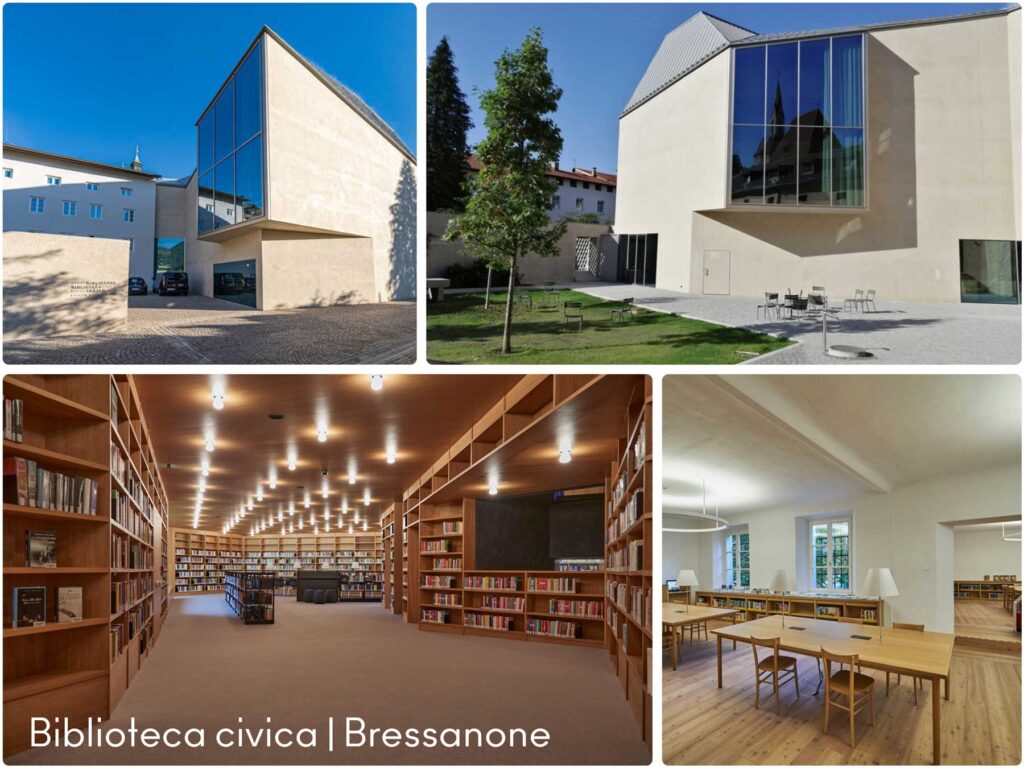
The complex includes the restoration and annexation of the former Finance, Court, and Prison buildings. The new structure is inserted among these historic edifices, bridging differences in elevation and creating both functional and visual connections between the various building blocks. Exterior façades in concrete and interior wood paneling form a double shell that envelops the spaces, providing flexibility and adaptability to meet the diverse needs of the library.
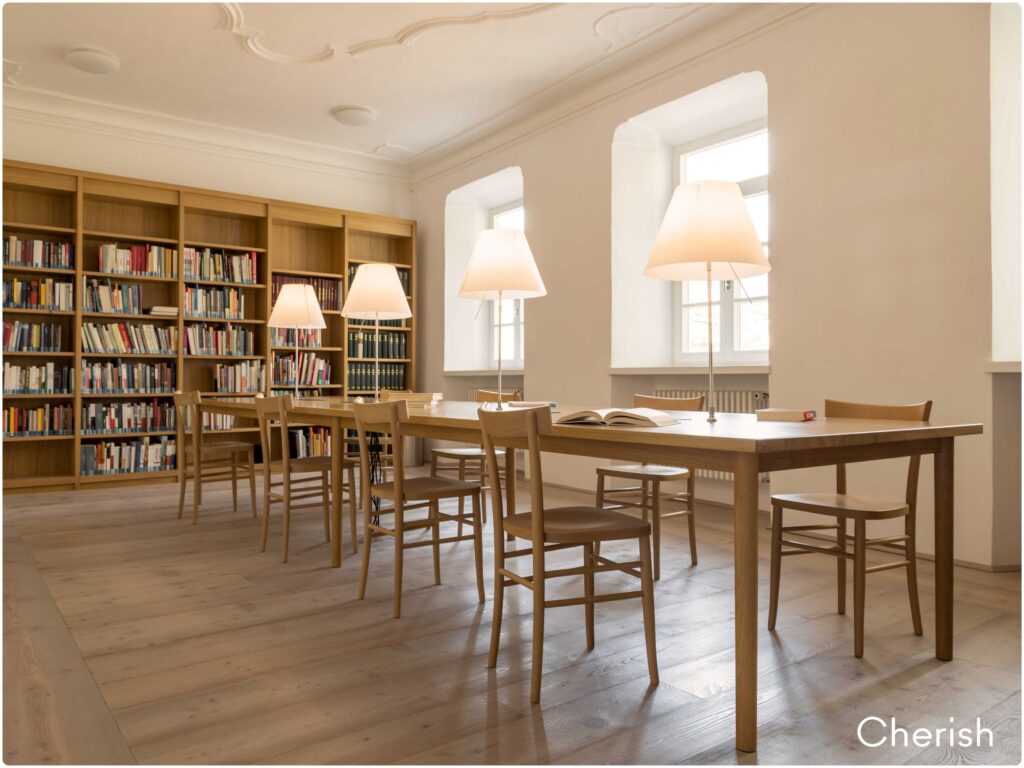
The interiors are designed to promote interaction and inclusivity. The main foyer serves as an “urban living room,” welcoming visitors and creating an informal setting for cultural and social activities. Reading, study, and reference areas are distributed across multiple levels, each offering unique features to cater to the diverse needs of users. Special attention has been given to the spaces for children and teenagers, with playful and educational areas designed to stimulate creativity and learning.
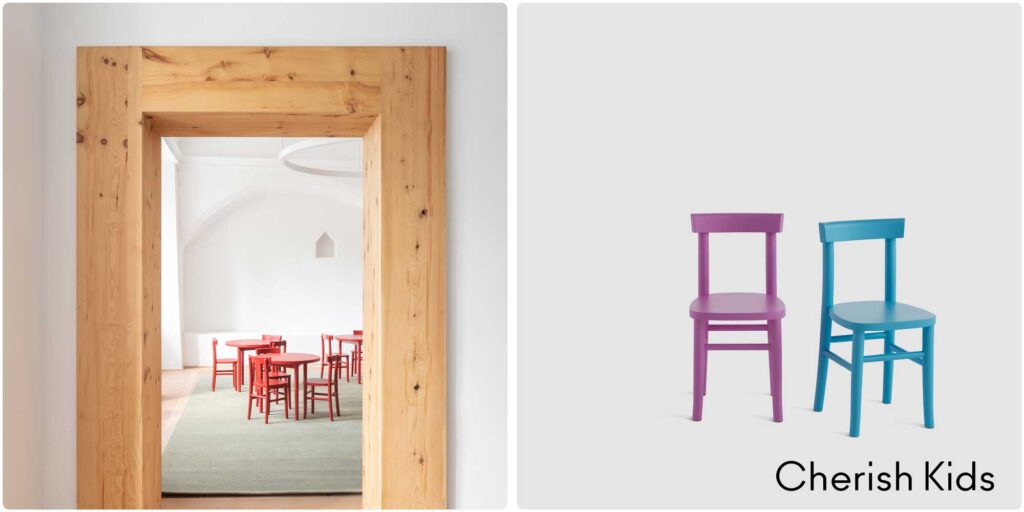
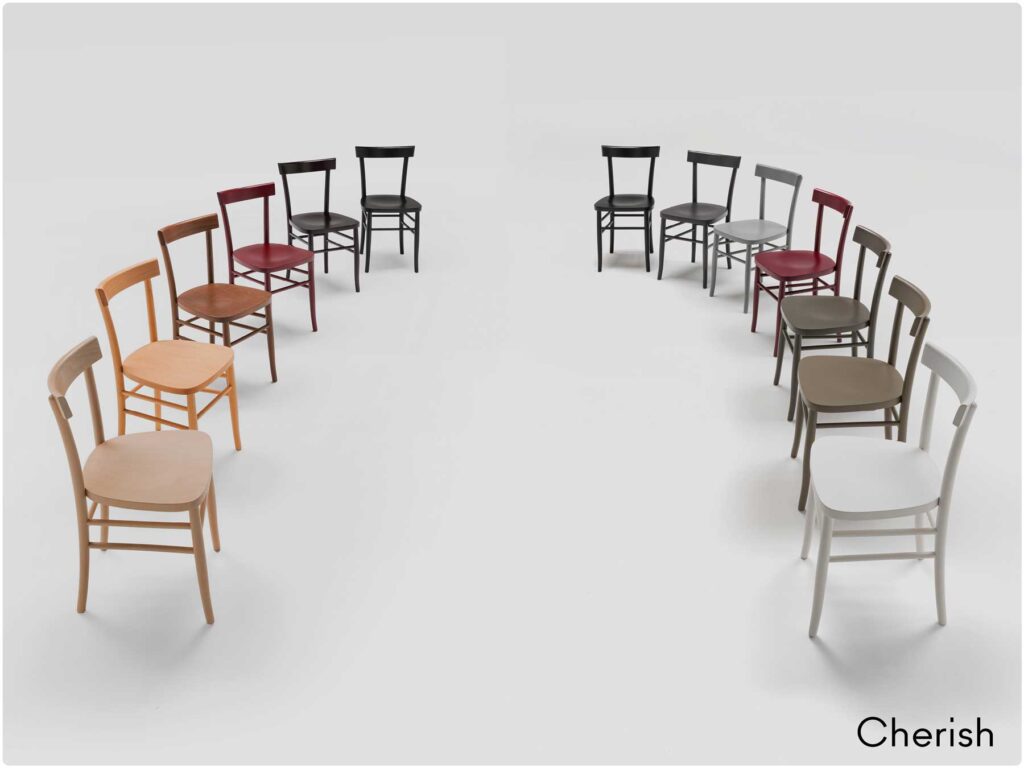
In this context, Casamania has played a pivotal role. Its Cherish and Cherish Kids seating were chosen to furnish the reading and study areas, and beyond. These chairs are perfectly suited to the library environment, where ergonomics and design converge to create a welcoming and inclusive atmosphere. Steve Jobs’ insight—“Design is not just what it looks like and feels like. Design is how it works”—finds full expression in these seats. The Cherish chairs encourage a natural interaction with the space, inviting users to pause, read, and immerse themselves in culture, fostering a meaningful connection between the community and the library itself.
Once again, Casamania has demonstrated how design and culture can seamlessly merge to create environments that inspire and unite the communities that inhabit them.