
Horm Stories #37
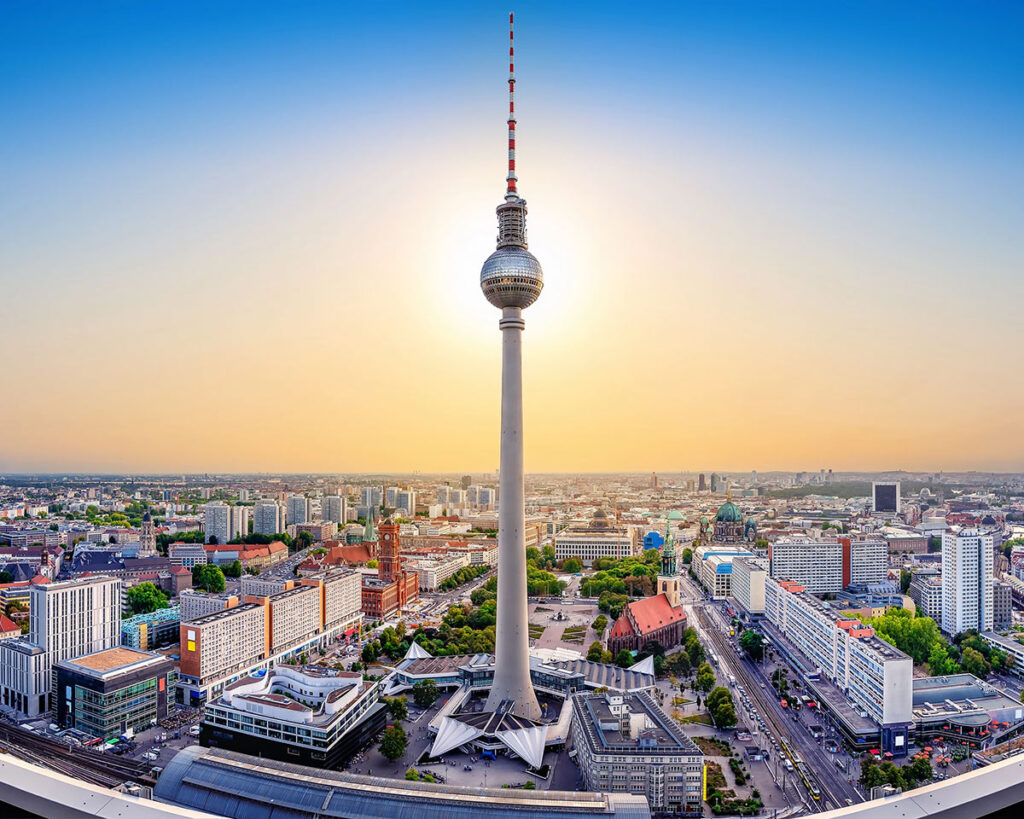
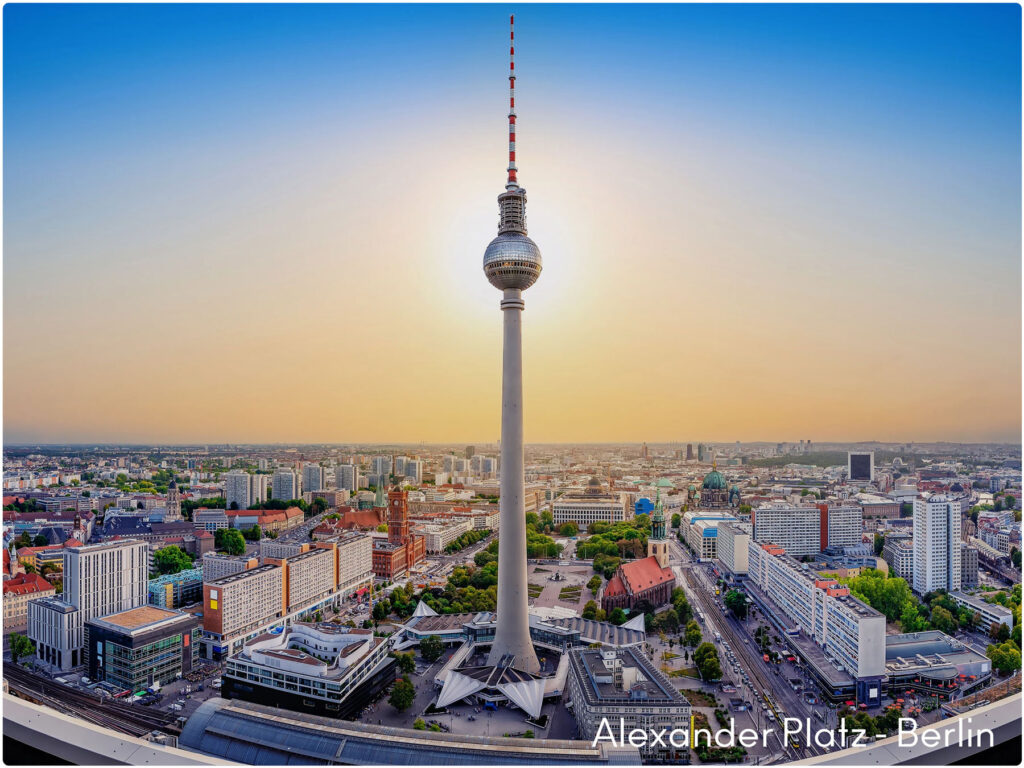
Last week, we were in Berlin on a business trip, and today we want to take you to one of Europe’s most iconic squares: Alexanderplatz, affectionately called “Alex” by Berliners. Originally known as Ochsenmarkt (Ox Market), the square was a bustling livestock market. It wasn’t until 1805, during the visit of Russian Tsar Alexander I to Berlin, that the square was renamed Alexanderplatz.
Over the centuries, this square has undergone many transformations, reflecting the changing eras, cultures, and urban planning concepts. During World War II, the square was heavily damaged by bombings, and in the 1960s, it was transformed into a vast pedestrian area during the city’s division, becoming a symbol of the GDR.
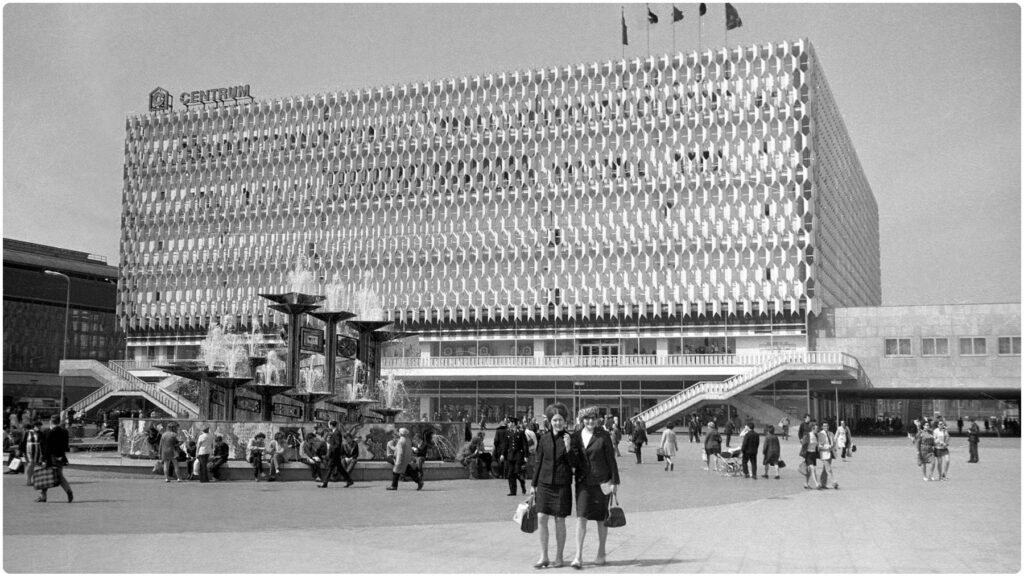
In the 1970s, Alexanderplatz became a laboratory for architectural experimentation, featuring functional, modern buildings such as the former Centrum Warenhaus, now known as Galeria Kaufhof. This transformation aimed to project a modern image of socialism, with the square serving as a cultural, social, and commercial hub.
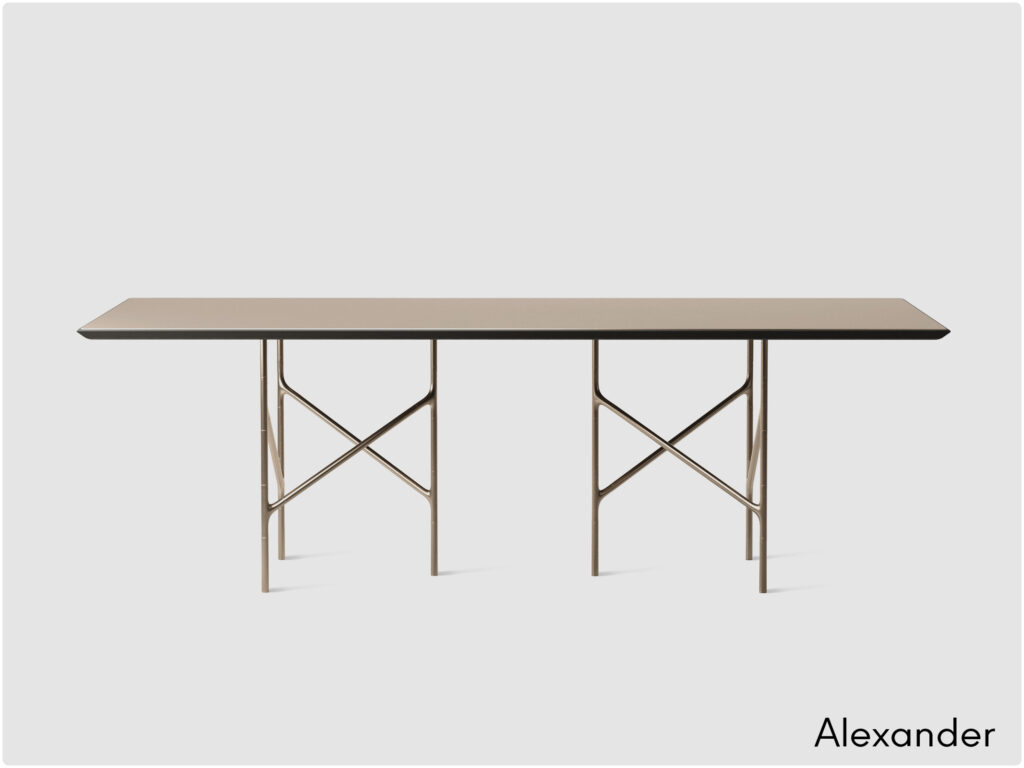
Just as Alexanderplatz has been a crossroads of history and modernity, the Alexander Table, designed by Architect Marco Piva for Horm, embodies a meeting point between functional design and aesthetic versatility. The table’s legs, reminiscent of railway junctions, are assembled using two main elements and a Y-shaped joint, evoking the complexity of the Berlin square’s transportation network.
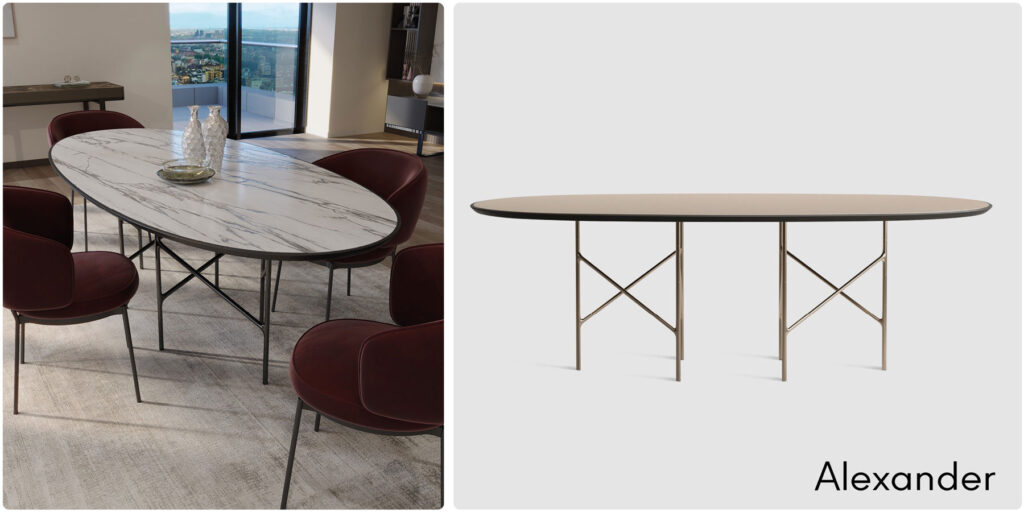
Available in three sizes, the Alexander Table offers a variety of tabletop materials, including marble, Fenix, and lacquered glass, reflecting the diversity and architectural richness of the Berlin crossroads. This table is part of the broader Plaza Collection, a project designed to reinterpret Europe’s most iconic urban squares through furnishings that combine elegance and functionality.
Just as Alexanderplatz stands as a symbol of interconnection and transformation in the heart of Berlin, the Alexander Table pays tribute to its complexity and beauty, bringing a touch of this historic European square into the home.